Instructor Spotlight: Murilo Marinho Mascarenhas
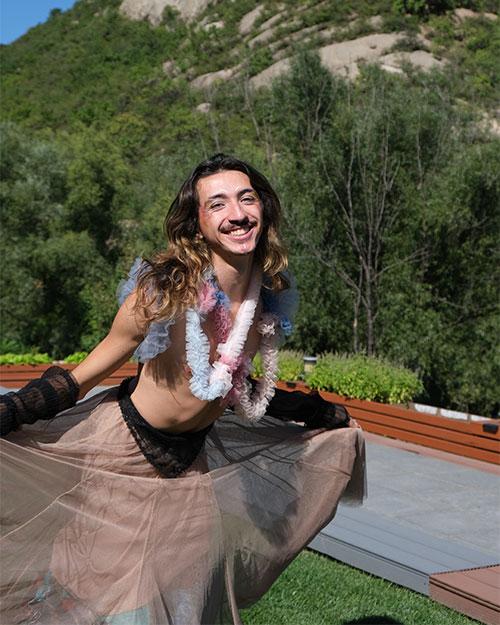
What inspired you to teach this course?
My mom and China. When I got into forró a few years ago in Brazil, I found many free workshops to attend. I'd get home and share what I learned with my mom. As a lover of movement, she used to take many dance classes. Unfortunately, she fell ill and can't dance as she once did. But with me, she’s been dancing partner-dance again and she’s taught me dance nuances that other teachers couldn't. Second, China. In 2025, as an art resident of HillHaus in Beijing, I hosted forró workshops for the first time as part of my project there, which also included a performance, two short films, and drawing workshops for the local community. I felt so so so happy with people's positive reactions to this particular partner dance that I needed to find a way to teach it again!
What is forró?
Forró is an intimate and playful dance from Brazil, a cultural manifestation of how we go about life. In just one forró song, the dance can follow a slow rhythm and then drop in an upbeat chorus. The dancers are called to play with the changes of the song! Traditionally in this dance, two people hold hands and slide them into the classic ballroom position but with hips and chest touching. Dancers find softness to conduct each other with their hips, chest, and hands. Once they feel like it, that sweet embrace opens into playful steps and turns—sometimes with only hands connecting the dancers. Once you get the groove, it's like a game and everyone wins.
What do you hope students will take away from your course?
I hope students understand the real-life, concrete consequences of dancing together. In one forró night, for example, you dance with many people and practice being in community. You'll dance with some people who don't dance well and others who move you very well. On the dance floor, we practice being in the real world, with everyone. We navigate trusting strangers, delimiting consent, and feeling warmth from different people. My approach to dance also highlights creative exploration of the body, one's confidence with their personal repertoire, and the power of togetherness. So, what are the consequences of this when outside the dance floor? Stronger esteem of self? Ability to collaborate with a wider range of people? Desire to expand one's social bubble? Firmness to state one's boundaries? It varies, but here's our take away: Brazil has a great societal model of dancing with everyone, resolving issues, and expanding joy, and anyone can follow this path!
What is your favorite Brazilian forró dance move and why?
Claps to the beat. People around the dance floor may not know how to dance, but when they clap hands to the rhythm of the song, they're enhancing the energy of the room. One doesn't have to know the moves—sharing some joy with the room is enough. Claps also release some good tension, so when you don't know how to get lost in the music with your whole body, starting with clapping along is good enough. It's a snowball: people start clapping along with you, and next thing you know, pleasure drags you into the circle. It's time to dance.
Murilo Marinho Mascarenhas is a student from Brazil majoring in CSHD and Education. Their minors in Dance and Visual Arts support their work as an expressive arts educator.